


لقد وجدت الرقم — الرقم الذي يحمل سنة ميلادك، الثلاثي المحظوظ، النهاية التي تتدحرج على اللسان — ثم ترى السعر: 18,000 درهم. أكثر مما ترغب في نقله في عملية واحدة. السؤال الواضح يتبع على الفور: هل يمكنني الدفع بالتقسيط؟ إنه أحد أكثر الأسئلة شيوعًا التي يطرحها المشترون الجادون في سوق الإمارات، والإجابة الصادقة تحمل تعقيدًا حقيقيًا، لأن رقم الهاتف ليس سيارة ولا تصدر أي بنك قرضًا مقابل أرقامك.
هذا الدليل يوضح بالضبط كيف تعمل ترتيبات التقسيط والتمويل للأرقام المميزة في الإمارات — هيكل الوديعة والمعالم الذي تستخدمه معظم الصفقات الخاصة، ودور الشيكات المؤجلة وخطط تقسيط بطاقات الائتمان، ومن يمتلك الرقم قانونيًا أثناء الدفع، والفخاخ على كلا جانبي الطاولة. إنه دليل عملي محدد للإمارات كان السوق يفتقر إليه.
هل يمكنك فعلاً الدفع بالتقسيط؟
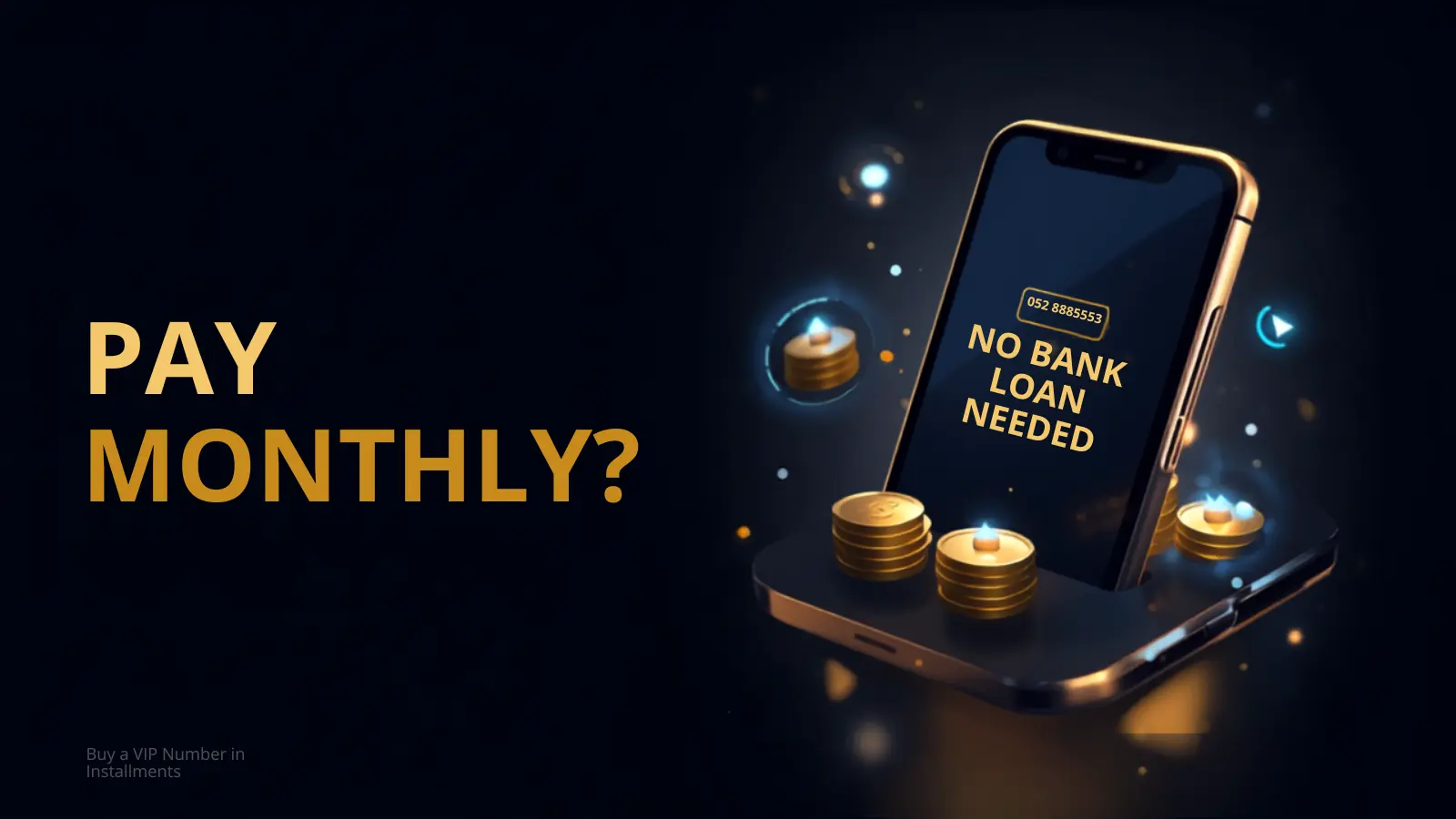
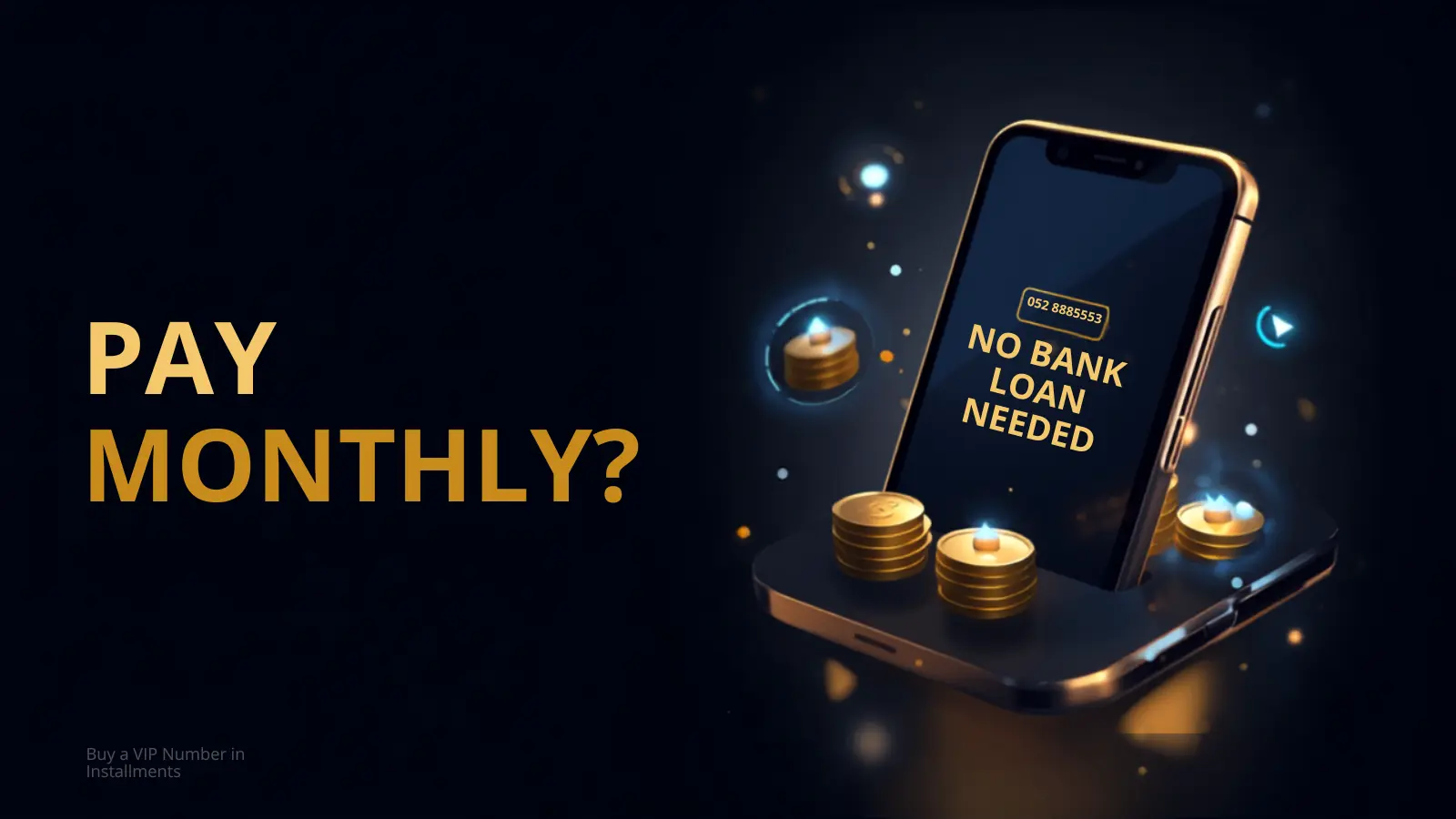
نعم — مع توضيح حاسم واحد. لا يوجد منتج مصرفي في الإمارات العربية المتحدة يقرضك المال خصيصًا لشراء رقم هاتف محمول كما يمول قرض السيارة سيارة. الرقم هو أصل غير ملموس ليس له تقييم موحد سيقوم المقرض بتغطيته. لذا فإن "التقسيط" على رقم لا يعني أبدًا قرضًا مخصصًا للرقم. بل يعني أحد شيئين: خطة دفع خاصة تم الاتفاق عليها مباشرة مع البائع، أو دفعك للبائع بالكامل بينما تقوم بتمويل ذلك الدفع بنفسك من خلال تسهيل ائتماني لديك بالفعل.
كلاهما شائع. التجار الذين يسردون أرقامًا ذات قيمة أعلى يقبلون غالبًا الدفع المرحلي لأنه يغلق الصفقات التي قد تفقدها المطالبات ذات التحويل الواحد. والمشترون يقومون عادةً بوضع رقم كبير على خطة تقسيط مصرفية أو قرض شخصي. تختلف الآليات، لكن النتيجة هي نفسها: تحصل على الرقم الآن (أو عند الانتهاء) وتوزع التكلفة. الدليل أدناه يفصل الطرق حتى تختار ما يناسب ميزانيتك ورغبتك في المخاطرة.
الارتباك: رسوم الخطة مقابل تمويل الرقم
أولاً، قم بتوضيح الخلط الأكثر شيوعًا. العديد من القوائم تظهر رقمًا شهريًا — عادةً 188 درهم إماراتي — ويفترض المشترون أن هذا هو قسط على سعر الرقم. ليس كذلك. هذه هي إيجار الخط المدفوع لاحقًا المرتبط بشريحة SIM، وهي فاتورة اتصالات متكررة ترثها، وليست دفعة نحو السعر المطلوب. تحليلنا لـ التكلفة الحقيقية يوضح كيف تضيف تلك الخطة الشهرية بهدوء آلاف الدراهم على مدار عام، و مقارنة المدفوع مسبقًا والمدفوع لاحقًا تشرح الفرق.
تمويل الرقم هو شيء منفصل تمامًا: تقسيم سعر الطلب البالغ 18,000 درهم إماراتي إلى أجزاء تدفعها على مر الزمن. لا تخلط بين رسوم الخطة وسعر الشراء. عندما ترتب التقسيط، أنت تقسم الملصق — المال الذي يذهب إلى البائع من أجل الأرقام — ورسوم خطة SIM (إن وجدت) تكون فوق ذلك، بشكل منفصل.
188 درهمًا شهريًا في القائمة هو خطة اتصالات ترثها، وليست قسطًا على السعر. تمويل الرقم يعني تقسيم سعر الطلب نفسه. دائمًا أضف رسوم الخطة و تكلفة القسط الخاص بك معًا لرؤية النفقات الشهرية الحقيقية.
كيف يتم هيكلة صفقة القسط الخاصة
عندما يوافق بائع أو تاجر على الأقساط، فإن الصفقة تتبع تقريبًا نفس الشكل، المصمم لحماية الطرف المعرض في كل مرحلة:
- دفعة أولى (عربون): عادةً 30–50% مقدمًا لتأمين الرقم وإزالته من السوق. هذه هي حماية البائع ضد المشتري الذي ينسحب.
- الرصيد المتبقي: المبلغ المتبقي مقسم إلى أقساط متفق عليها — غالبًا من دفعتين إلى ست دفعات على مدى شهر إلى ستة أشهر.
- نقل الملكية عند الاكتمال: يتم نقل الرقم رسميًا إلى اسمك فقط بعد أن يتم تسوية الدفعة النهائية. حتى ذلك الحين، يحتفظ البائع بالملكية القانونية.
- اتفاق مكتوب: جدول موقع بسيط يوضح السعر، العربون، التواريخ، المبالغ، وأن النقل يحدث عند الدفع النهائي. هذا هو ما يجعل الترتيب قابلًا للتنفيذ.
حجم العربون هو قلب الصفقة القابل للتفاوض. العربون الأكبر يطمئن البائع وغالبًا ما يفتح جدولًا أطول وأرخص؛ العربون الأصغر ينقل المخاطر إلى البائع، الذي سيقوم بتسعير ذلك أو يرفض. هذه هي مفاوضة بحد ذاتها — نفس المهارات التي تم تناولها في دليل التفاوض على سعر الرقم تنطبق على شروط الدفع، وليس فقط على الرقم الرئيسي.
أربع طرق لتمويل رقم
كل عملية شراء بالتقسيط في الإمارات تمر عبر واحدة من أربع قنوات. إليك كيف تقارن من حيث التكلفة، السرعة ومن يتحمل المخاطر.
| الطريقة | تكلفة إضافية | الأفضل لـ | المخاطر الرئيسية |
|---|---|---|---|
| خطة دفع البائع / التاجر | عادةً لا شيء | المشترين الذين يمكنهم الدفع على مدى 1–6 أشهر | الرقم محتجز حتى يتم الدفع بالكامل |
| خطة قسط بطاقة الائتمان | رسوم البنك / معدل الربح | شراء سريع، تدفع للبنك شهريًا | حد البطاقة + الفائدة إذا تم التخلف |
| قرض شخصي | الفائدة على مدى الفترة | أرقام ذات قيمة عالية جدًا | دين مضمون على راتبك |
| BNPL (تابي / تمارا) | منخفضة / صفر على المدى القصير | أرقام أرخص ضمن حدود BNPL | حدود منخفضة، يجب أن يقبلها البائع |
خطة دفع البائع هي الأنظف والأرخص لأنه لا يوجد ممول طرف ثالث يأخذ جزءًا — لكن الرقم يبقى مع البائع حتى تنتهي. الثلاثة الأخرى تتيح لك دفع البائع بالكامل فورًا (حتى تتمكن من نقل الملكية على الفور) بينما تدين لبنك أو مزود BNPL بدلاً من ذلك. هذه هي التجارة الأساسية: خطة البائع تؤجل ملكيتك؛ التمويل الذاتي يؤجل ملكيتك للنقود، وليس للرقم.
شيكات مؤجلة التاريخ: القاعدة في الإمارات
في الإمارات، الأداة الكلاسيكية للبيع بالتقسيط الخاص هي الشيك المؤجل التاريخ. يقوم المشتري بتسليم البائع مجموعة من الشيكات مؤرخة لكل قسط؛ يقوم البائع بإيداع كل منها في تاريخها. إنها نفس الآلية المستخدمة للإيجار وصفقات السيارات في جميع أنحاء البلاد، وتمنح البائع التزامًا موثقًا وقابلًا للتحصيل لكل مرحلة.
تحديث قانوني مهم: تم إلغاء تجريم الشيكات المرتجعة جزئيًا بموجب إصلاحات الإمارات — أصبح الشيك المرتجع الآن مسألة مدنية في المقام الأول، حيث يعمل الشيك نفسه كأداة قابلة للتنفيذ للمبلغ المدفوع، بدلاً من أن يكون قضية جنائية تلقائية. هذا يقلل من عامل الخوف القديم ولكنه لا يجعل الشيك خاليًا من المخاطر لأي من الطرفين: لا يزال بإمكان البائع متابعة الدين، ويمكن للمشتري الذي يفرط في الالتزام أن يواجه تنفيذًا مدنيًا. اعتبر الشيكات المؤجلة التاريخ كالتزام مالي جاد، وليس كإيصال غير رسمي.
قم بإصدار الشيكات المؤجلة التاريخ فقط إذا كنت متأكدًا من أنها ستسجل في تواريخها. منذ إصلاحات 2022، أصبح الشيك المرتجع مدنيًا إلى حد كبير بدلاً من كونه جنائيًا، ولكنه لا يزال أداة دين قابلة للتنفيذ — ويمكن الآن المطالبة بالدفع الجزئي في الحال. لا تحاول تغطية فجوة في الميزانية بشيكات تأمل في تمويلها لاحقًا.
خطط التقسيط عبر بطاقات الائتمان
إذا كنت تفضل أخذ الرقم إلى المنزل اليوم، فإن معظم البنوك في الإمارات تتيح لك تحويل عملية شراء كبيرة بواسطة بطاقة إلى خطة تقسيط — تقسيمها إلى 3 أو 6 أو 12 أو 24 دفعة شهرية. تقدم بنوك مثل البنوك الوطنية والدولية الكبرى هذا على بطاقات مؤهلة، أحيانًا بمعدل ترويجي 0% مقابل رسوم معالجة ثابتة، وأحيانًا بمعدل ربح شهري. تدفع للبائع بالكامل (حتى يمكن أن يحدث النقل على الفور)، وتقوم بسداد البنك على مدى المدة.
تنطبق حالتان: يجب أن تتناسب عملية الشراء مع حد البطاقة المتاحة لديك، ويجب أن يكون البائع مستعدًا لقبول الدفع بواسطة البطاقة — يفضل العديد من البائعين الخاصين التحويل البنكي أو النقد، لذا فإن هذا الطريق يعمل بشكل أفضل مع التجار الذين يمكنهم معالجة البطاقات. اقرأ رسوم أو معدل الربح للخطة بعناية: خطة "0%" مع رسوم معالجة بنسبة 3% ليست مجانية، ومعدل شهري يتراكم على مدى 12 شهرًا يتحول إلى قسط حقيقي على سعر الرقم.
مثال عملي: تمويل رقم بقيمة 18,000 درهم
الأرقام تجعل المقايضات ملموسة. خذ رقم du 052 المدرج بسعر 18,000 درهم وقارن بين الطرق الأربعة على مدار السنة الأولى:
| الطريق | مقدم | شهري | التكلفة الإجمالية التقريبية |
|---|---|---|---|
| خطة البائع (40% + 3 أشهر) | 7,200 درهم | 3,600 درهم × 3 | 18,000 درهم (بدون إضافات) |
| خطة البطاقة، 12 شهر، 0% + 3% رسوم | 0 درهم | ~1,545 درهم | ~18,540 درهم |
| خطة البطاقة، 12 شهر، ~1.2%/شهر | 0 درهم | ~1,610 درهم | ~19,320 درهم |
| قرض شخصي، 24 شهر | 0 درهم | يختلف حسب السعر | 18,000 درهم + فائدة |
الدرس واضح: خطة دفع البائع هي الطريق الوحيد الذي لا يكلف أي شيء إضافي — أنت ببساطة تدفع 18,000 درهم على أقساط. كل طريق تمويل ذاتي يضيف تكلفة تمويل، من بضع مئات من الدراهم في خطة بطاقة قصيرة إلى فائدة حقيقية على قرض لمدة عامين. القسط الذي تدفعه مقابل الفورية (استلام التحويل اليوم) هو تكلفة التمويل؛ القسط الذي تدفعه مقابل خطة البائع هو الصبر (الانتظار حتى تنتهي من التحويل). قم بتشغيل أي قائمة من خلال حاسبة القيمة أولاً حتى تمول رقمًا بسعر عادل، وليس تدفع أكثر وتضيف فائدة فوق ذلك.
من يمتلك الرقم — والمخاطر
هذه هي جوهر كل صفقة تقسيط، حيث يخشى المشترون والبائعون عكس بعضهم البعض. في خطة دفع البائع، يحتفظ البائع بالرقم مسجلاً باسمهم حتى الدفع النهائي. ذلك يحمي البائع — ولكنه يعرض المشتري، الذي دفع وديعة مقابل رقم لا يملكه بعد. في التمويل الذاتي، تدفع بالكامل وتأخذ التحويل على الفور، لذا تمتلك الرقم بشكل كامل وتدين لبنك بدلاً من ذلك — التعرض العكسي.
لا ينبغي لأي طرف أن يكون في وضعية تسليم كل شيء بينما لا يمتلك شيئًا. يجب ألا يدفع المشتري السعر الكامل قبل التحويل؛ يجب ألا يقوم البائع بالتحويل قبل الدفع الكامل. هيكل الوديعة والمعالم موجود بالضبط للحفاظ على التوازن في التعرض في كل خطوة — وهو يعمل فقط إذا كان مكتوبًا. عملية نقل الملكية هي اللحظة التي يصبح فيها الأصل ملكك قانونيًا، لذا اربطه صراحة بالدفع النهائي في اتفاقك.
كيف تحمي نفسك (الجانبين)
سواء كنت تشتري أو تبيع بالتقسيط، فإن هذه الاحتياطات تحافظ على صفقة نظيفة:
- ضعها كتابة. جدول زمني موقع مع السعر، والوديعة، وتاريخ ومبلغ كل قسط، وشرط ينص على أن الملكية تنتقل عند الدفع النهائي. الخطط الشفوية هي المكان الذي تولد فيه النزاعات.
- اربط النقل بالدفع الأخير. تنتقل الملكية فقط عندما يتم تسوية الرصيد — أبداً قبل ذلك، وأبداً بعد ذلك.
- استخدم مساراً مصرفياً. تحويلات مصرفية أو شيكات مؤجلة لكل مرحلة، وليس نقداً غير منظم، بحيث يتم توثيق كل دفعة.
- تحقق من أن الرقم نظيف. تأكد من عدم وجود رصيد متبقي لدى الناقل أو نزاع قبل أن يتغير أول درهم — دليل الشراء الآمن يسرد الفحوصات.
- اجعل الوديعة معقولة. كبيرة بما يكفي لالتزام المشتري، وليست كبيرة لدرجة أن التخلف عن السداد سيكون كارثياً إذا انهار الصفقة.
متى تدفع نقداً بدلاً من ذلك
تجعل الأقساط الرقم الطموح قابلاً للوصول، لكنها ليست دائماً الخيار الذكي. إذا كانت تكلفة التمويل كبيرة بالنسبة لسعر الرقم — لنقل خطة بطاقة لمدة 12 شهراً تضيف قسطاً حقيقياً لرقم معتدل — قد يكون من الأفضل شراء رقم أرخص مباشرة بدلاً من تمويل رقم مكلف. دليل الأرقام المعقولة ودليل الميزانية يوضحان ما يشتريه كل شريحة سعرية، وغالباً ما يتفوق الشراء النقدي النظيف في شريحة أقل على الشراء الممول في شريحة أعلى.
ادفع نقداً عندما تستطيع تحمل الرقم مباشرة وتكلفة التمويل لا تمنحك شيئاً سوى بضعة أسابيع من الملكية المبكرة. قم بالتمويل عندما يكون الرقم المحدد يستحق الانتظار والدفع مقابل قسط صغير — نمط كان متاحاً في وقت سابق، رقم له معنى شخصي، أو رقم تعتبره أصل متزايد القيمة حيث يكون الاحتفاظ به في وقت مبكر له قيمة.
خطوة بخطوة: ترتيب شراء بالتقسيط
- قيم الرقم أولاً. استخدم الحاسبة حتى تمول سعرًا عادلًا، وليس سعرًا مبالغًا فيه.
- تفاوض على السعر والشروط معًا. اتفق على المجموع، والوديعة، وعدد الأقساط والتواريخ — اعتبر شروط الدفع جزءًا من التفاوض.
- اختر مسارك. خطة البائع بدون تكلفة إضافية؛ خطة بطاقة، قرض أو BNPL إذا كنت بحاجة إلى التحويل فورًا.
- احصل على ذلك كتابةً. جدول موقع يربط التحويل بالدفع النهائي.
- تحقق من أن الرقم نظيف وليس لديه رصيد مستحق قبل دفع الوديعة.
- ادفع من خلال قناة موثقة — تحويل بنكي أو شيكات مؤجلة لكل قسط.
- أكمل التحويل عند الدفع النهائي. أكد أن الرقم مسجل باسمك في اللحظة التي يتم فيها تسوية الرصيد.
تصفح قوائم الأرقام VIP الحالية للعثور على بائعين مفتوحين للدفع بالتقسيط، وقم بإعداد قائمة بأرقام يمكنك تمويلها بشكل واقعي دون تجاوز حدود راحتك.
الأسئلة الشائعة
هل يمكنني شراء رقم موبايل VIP بالتقسيط في الإمارات؟
نعم، لكن ليس من خلال قرض بنكي مخصص — لا يمول أي بنك إماراتي رقم هاتف بشكل مباشر. إما أن تتفق على خطة دفع خاصة مع البائع (وديعة الآن، الرصيد على مدى عدة أشهر، التحويل عند الدفع النهائي) أو تدفع للبائع بالكامل باستخدام تمويلك الخاص، مثل خطة تقسيط بطاقة الائتمان أو قرض شخصي.
هل تقدم البنوك قروضًا لشراء رقم موبايل؟
لا يقدم أي بنك قرضًا محددًا لرقم هاتف، لأنه أصل غير ملموس بدون تقييم موحد للتأمين. بدلاً من ذلك، يستخدم المشترون قرضًا شخصيًا عامًا أو خطة تقسيط بطاقة ائتمان ويدفعون للبائع مباشرة.
هل الرسوم الشهرية البالغة 188 درهم هي قسط على الرقم؟
لا. هذه هي خطة الاتصالات المدفوعة مسبقًا المرتبطة بالبطاقة — إيجار خط متكرر ترثه، وليس دفعة نحو سعر الرقم. تمويل الرقم يعني تقسيم السعر المطلوب نفسه؛ وتبقى رسوم الخطة منفصلة فوق ذلك.
كم من الوديعة اللازمة لحجز رقم بالتقسيط؟
عادةً ما تكون 30–50% مقدمًا. وديعة أكبر تطمئن البائع وغالبًا ما تفتح جدول دفع أطول وأرخص؛ وديعة أصغر تنقل المخاطر إلى البائع، الذي قد يرفض أو يرفع السعر.
من يملك الرقم بينما لا أزال أدفع؟
في خطة دفع البائع، يحتفظ البائع بالرقم مسجلاً باسمهم حتى يتم تسوية الدفع النهائي، ثم ينقله إليك. إذا كنت تمول بنفسك وتدفع للبائع بالكامل، ستحصل على التحويل فورًا وتدين لبنكك بدلاً من ذلك.
هل يمكنني استخدام شيكات مؤجلة للدفع بالتقسيط؟
نعم — الشيكات المؤجلة هي الأداة الكلاسيكية في الإمارات للدفع الخاص بالتقسيط. منذ إصلاحات 2022، فإن الشيك المرتد هو في الغالب مسألة مدنية بدلاً من جنائية، لكنه لا يزال أداة دين قابلة للتنفيذ، لذا فقط اصدر شيكات أنت متأكد من أنها ستسوى.
هل يمكنني وضع رقم هاتف محمول في خطة تقسيط بطاقة الائتمان؟
نعم، إذا كانت عملية الشراء تناسب حد بطاقتك وكان البائع يقبل الدفع بالبطاقة. تقوم معظم البنوك في الإمارات بتحويل عمليات الشراء الكبيرة بالبطاقة إلى 3 أو 6 أو 12 أو 24 قسطًا شهريًا، أحيانًا بدون فوائد مقابل رسوم معالجة. تدفع للبائع بالكامل وتعيد سداد البنك على مدى الفترة.
هل تكلف تمويل رقم إضافيًا؟
عادةً ما لا تكلف خطة دفع البائع أي شيء إضافي — أنت فقط تدفع السعر على أقساط. كل طريق للتمويل الذاتي (خطة بطاقة، قرض، BNPL) يضيف رسومًا أو فوائد، من بضع مئات من الدراهم في خطة بطاقة قصيرة إلى فوائد حقيقية على قرض متعدد السنوات. النقد هو دائمًا الأرخص.
هل يمكنني استخدام تابّي أو تمارة لشراء رقم هاتف محمول؟
من المحتمل، للأرقام ذات القيمة المنخفضة ضمن حدود BNPL، وفقط إذا كان البائع يقبل طريقة الدفع تلك. عادةً ما تكون حدود BNPL منخفضة جدًا بالنسبة للأرقام ذات القيمة العالية، لذا فهي تناسب عمليات الشراء ذات الميزانية بدلاً من تلك ذات المستوى العالي.
ماذا يحدث إذا فاتني قسط؟
في خطة البائع، يمكن أن يؤدي عدم سداد الدفع إلى إلغاء الاتفاقية وقد تفقد جزءًا أو كل وديعتك — مهما كانت الشروط المكتوبة. في التمويل الذاتي، تواجه رسوم التأخير من البنك ورسوم الأرباح. اتفق على عواقب عدم السداد كتابةً قبل أن تبدأ.
هل شراء رقم بالتقسيط آمن؟
إنه آمن عند هيكلته بشكل صحيح: جدول مكتوب، مدفوعات من خلال مسار مصرفي، وتحويل مرتبط بالدفع النهائي بحيث لا يتعرض أي طرف للخطر بالكامل. يصبح الأمر محفوفًا بالمخاطر مع الصفقات الشفوية، النقد بدون سجل، أو التحويل/الدفع بالكامل قبل المرحلة المتفق عليها.
هل يجب أن أموّل رقمًا مكلفًا أم أشتري رقمًا أرخص نقدًا؟
إذا كانت تكلفة التمويل كبيرة بالنسبة للسعر، فإن الشراء النقدي النظيف لمستوى أدنى غالبًا ما يتفوق على الشراء الممول لمستوى أعلى. قم بالتمويل فقط عندما يكون الرقم المحدد يستحق حقًا القسط الصغير والانتظار — نمط نادر أو واحد له قيمة شخصية أو استثمارية.
هل يمكن للبائع رفض الأقساط؟
بالطبع — العديد من البائعين يريدون تحويلًا نظيفًا واحدًا ولن يقبلوا إلا الدفع الكامل. الأقساط هي تفاوض، وليست حقًا. البائعون الذين يقدمونها عادةً ما يسردون أرقامًا ذات قيمة أعلى حيث يغلق الدفع المرحلي المبيعات التي ستفقدها المطالبة بمبلغ مقطوع.
أين يمكنني العثور على أرقام متاحة في خطط الدفع؟
تصفح قوائم VIP على MobileNumber.ae، وقم بإعداد قائمة مختصرة ضمن ميزانيتك، واسأل البائعين مباشرةً عما إذا كانوا يقبلون الدفع المرحلي. قيّم قائمتك المختصرة باستخدام الآلة الحاسبة وتأكد من تحويل نظيف قبل دفع أي وديعة.